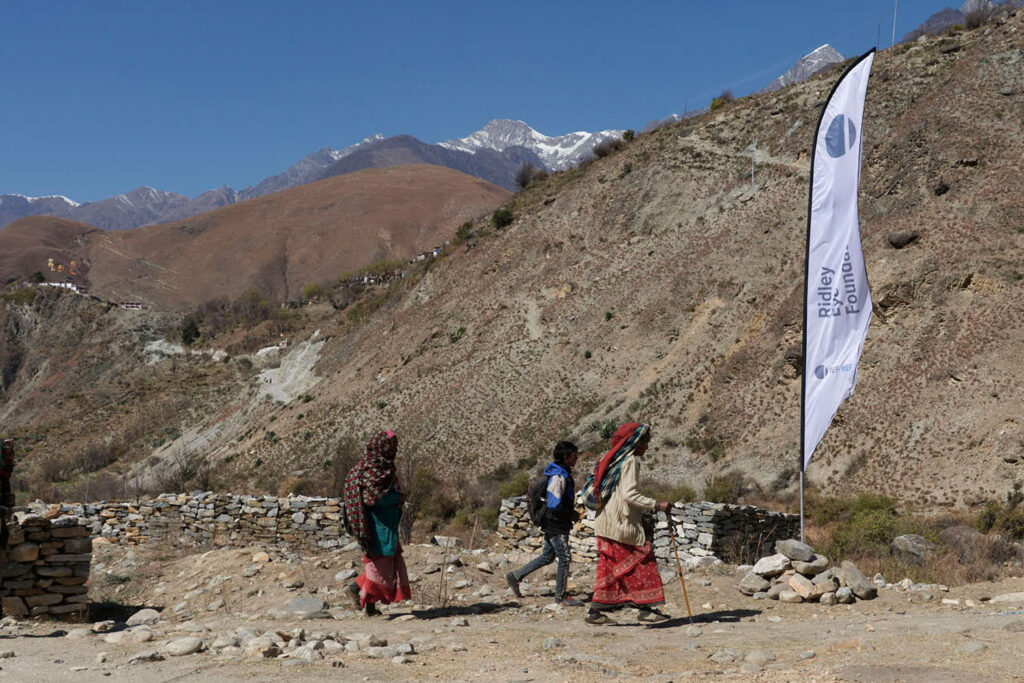
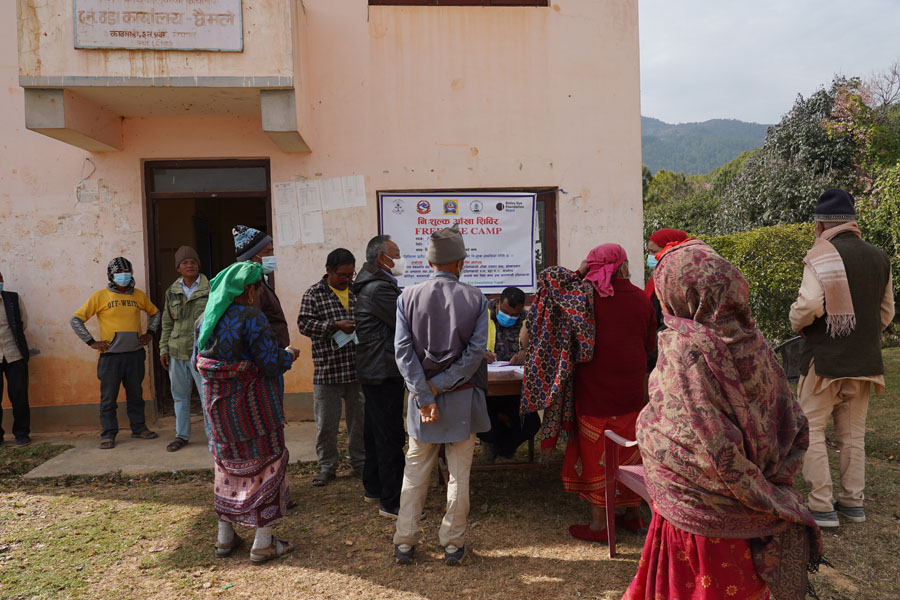
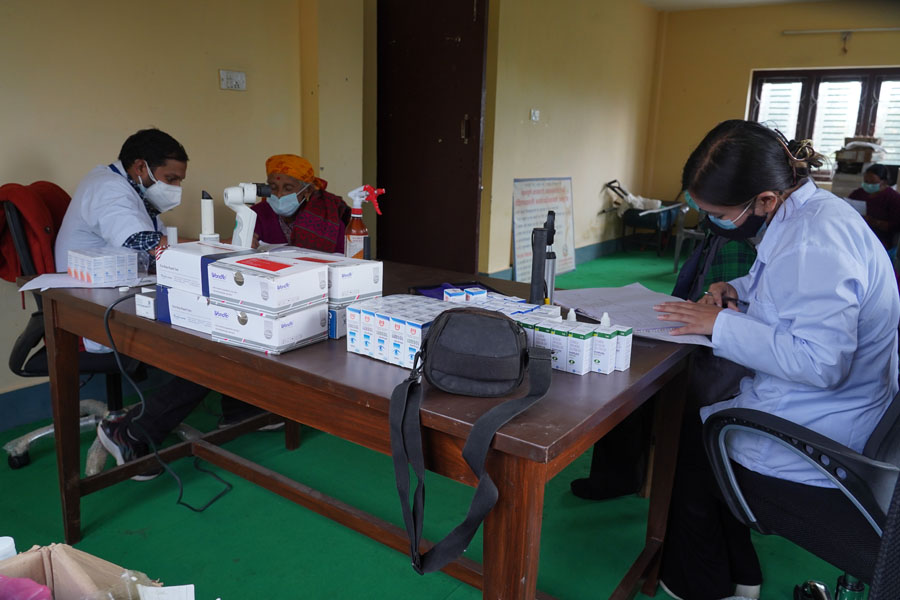
Ridley Eye Foundation Nepal (REFN), is providing funds for locally organised medical camps to deliver cataract surgery in the remote areas above 2000m.
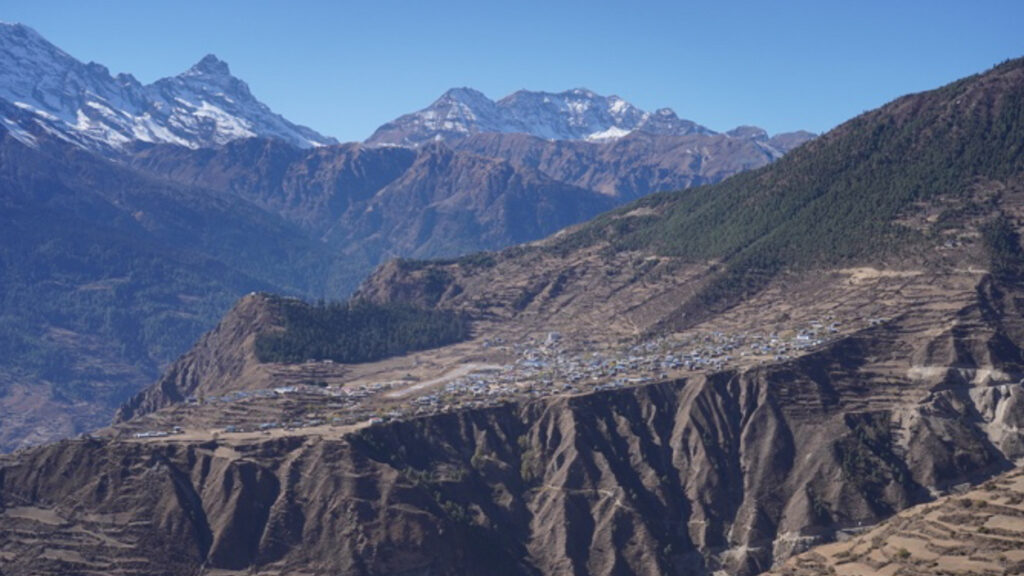
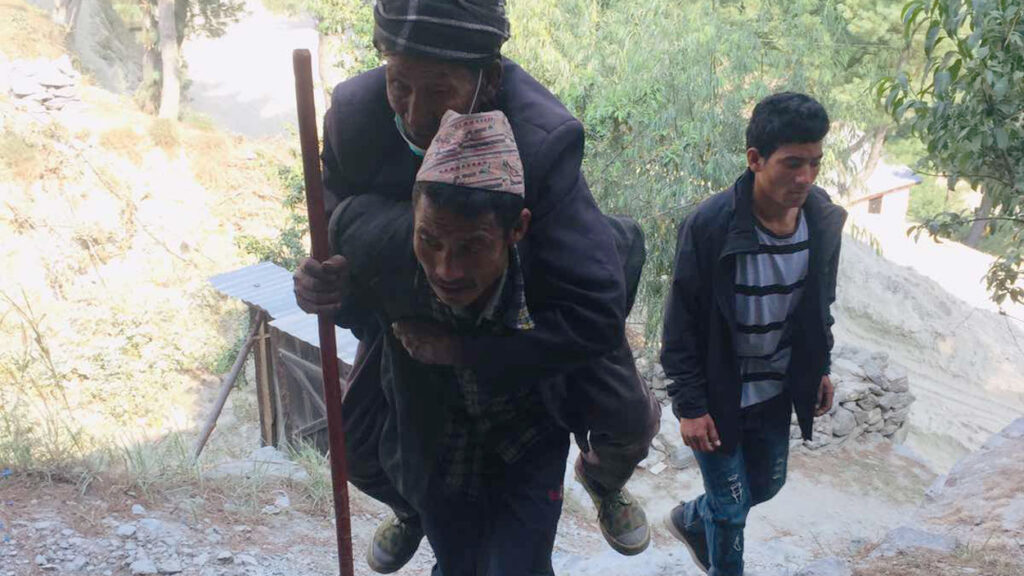
Access to the remote communities above 2000 meters becomes increasingly difficult. Roads are rough and subject to damage and landslides every monsoon season.
This limits both the ability of patients to attend outreach clinics and equally, medical staff to access these locations by road. Surgical camps often involve treks of several days with porters carrying medical equipment and provisions.
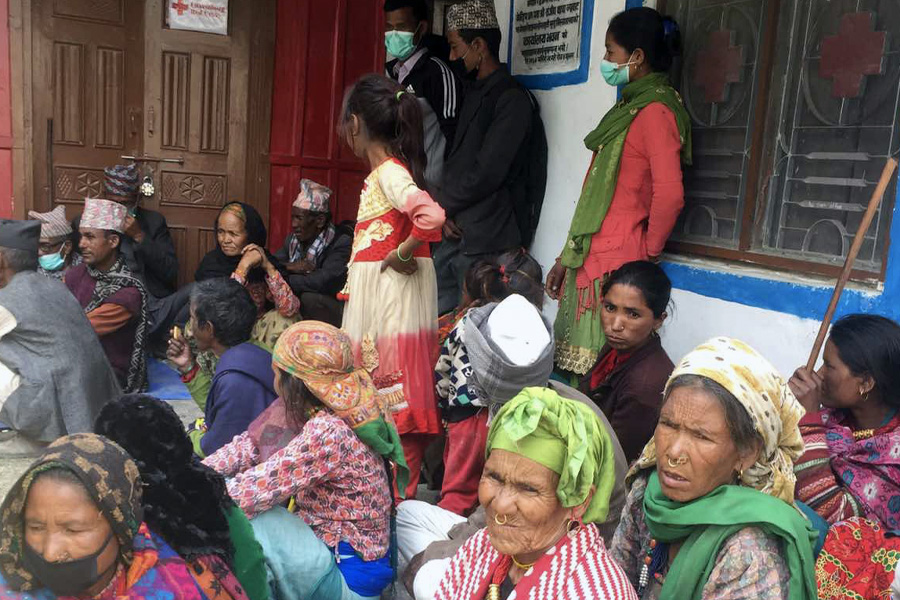
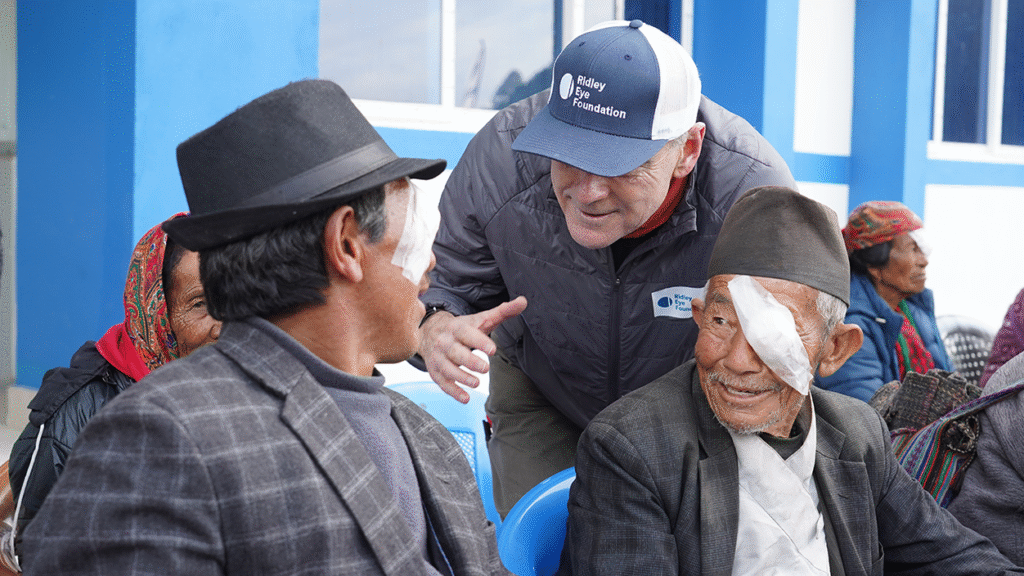
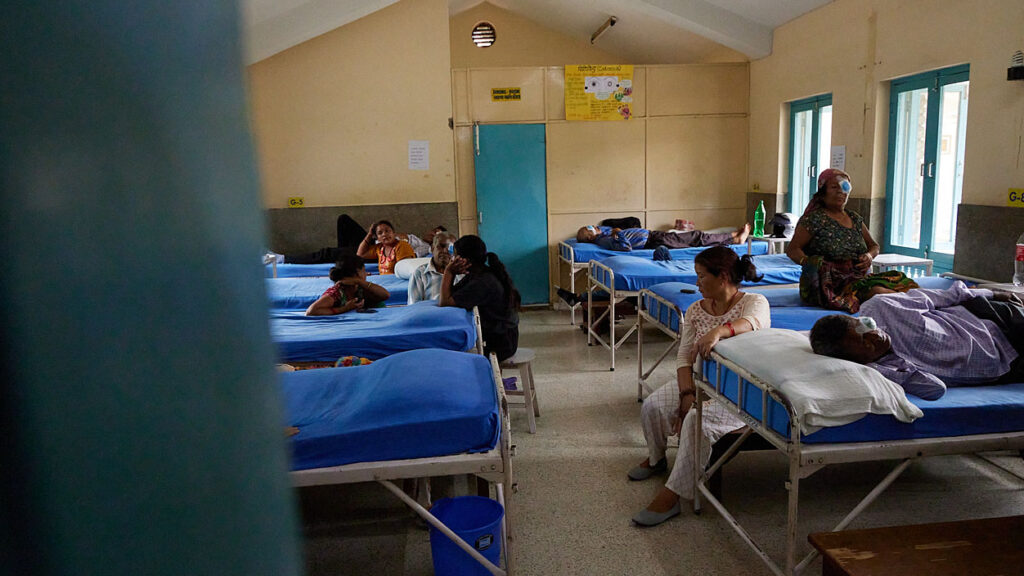
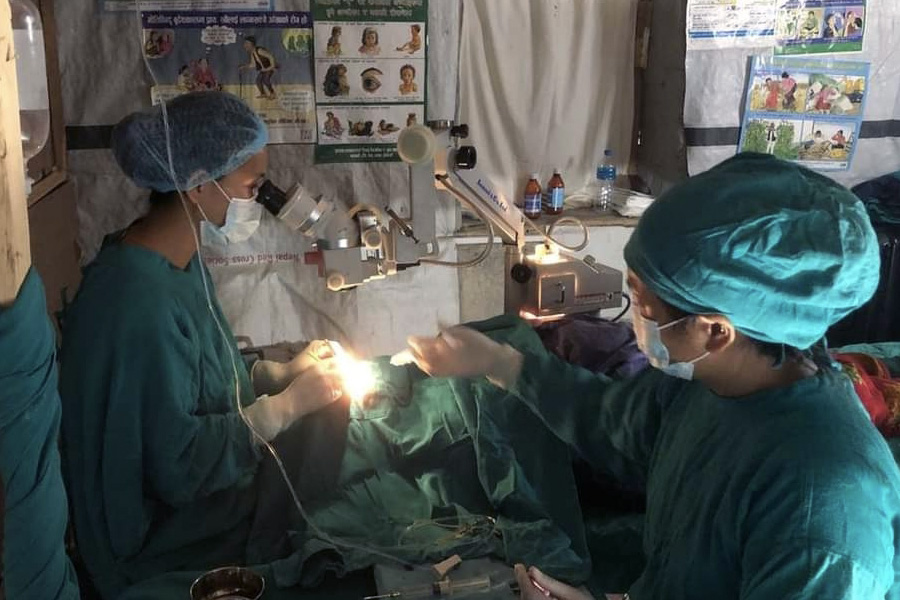
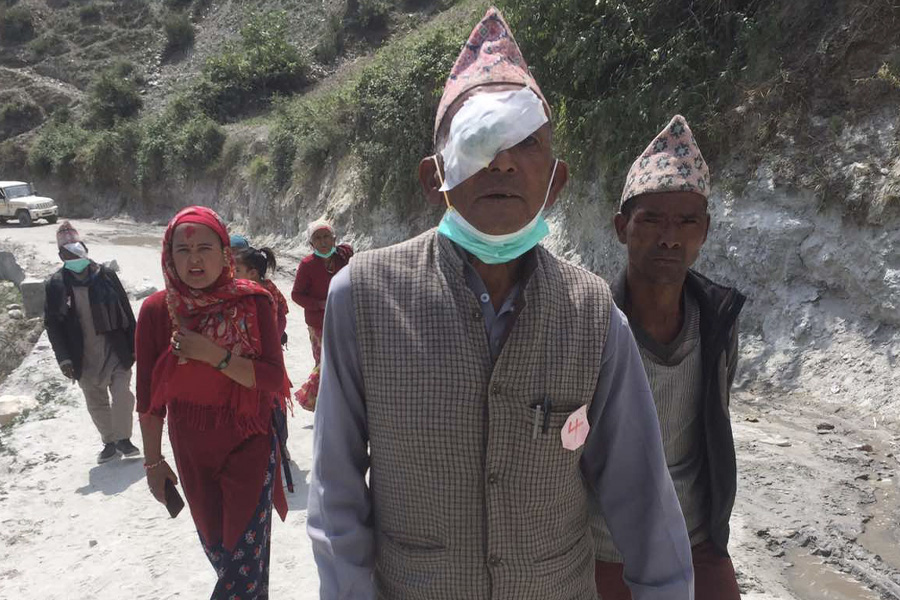
Dr. Anil Parajuli and his team from Himalaya Eye Hospital, Pokhara, conducted an outreach clinic in Simikot, Humla, after a 4-day jeep journey with necessary equipment. Following a public awareness campaign, 738 patients were examined, receiving eye drops and reading glasses, while 58 cataract surgeries were performed. The compassionate care provided by the team left many patients thrilled with their improved vision. Afterward, the team continued their journey, delivering two more remote clinics in Jumla and Mugu, restoring sight for 223 more patients.
Where Vision Returns, Hope Rises – film clip from Dhulikhel In the quiet hills of Manekharka, 45 lives saw the world anew in just two days. From blurred shadows to bright smiles, light returned – not only to eyes, but to hearts. When sight is restored, life begins again. Hope comes into focus. Dr Angira and the team from Dhulikhel Hospital examined people from the hillsides of Sindhupalchok and operated on 45 cataract patients at the outreach centre at Manekharka in December 2025
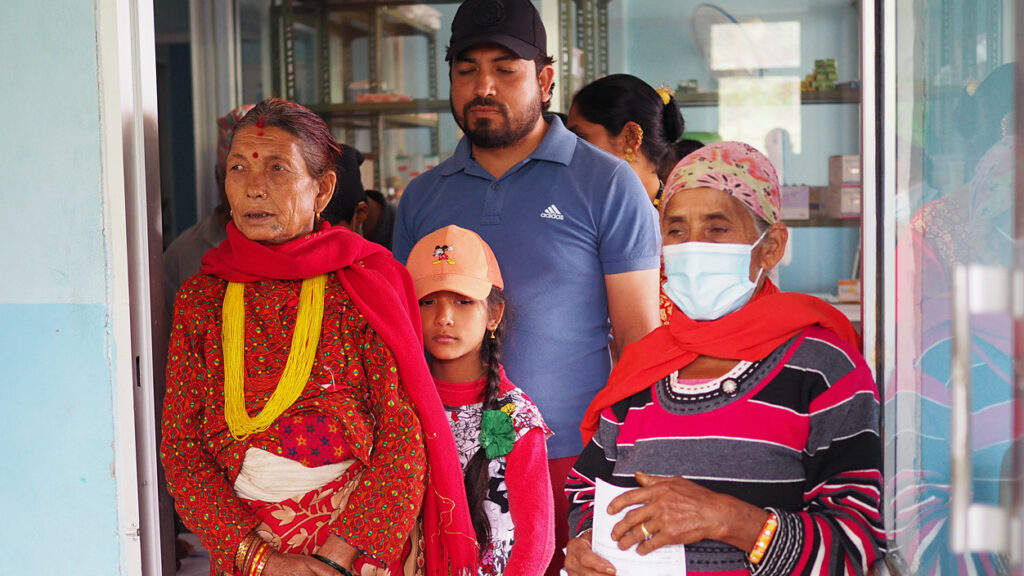
After an 8-hour journey, Dr. Aric Vaidya and his team from Kathmandu arrived at the Kuil Health Centre, Helambu. They set up a clinic with surgical equipment brought from Kirtipur Hospital. Following a public campaign, 942 people were triaged, and those with severe cataracts were selected for surgery. The higher incidence of cataracts in the Terai is due to increased sun and dust exposure. In addition to eye exams, patients were checked for diabetes, blood pressure, Hep B & C, and HIV. Dr. Aric performed cataract surgery on 77 patients, restoring vision and independence.
With our partners we are treating many eye health issues. While cataracts are associated with age, cases in children and younger people are reportedly increasing. While we cannot operate on young children outside of a main hospital, we can screen them and arrange transportation to a community hospital lower down the mountains.
introduced by Dr Angira Shrestha of Dhulikhel Hospital
At our recent camp with Dhulikhel Hospital we found over 100 cases of cataract development. Here our partner Dr. Angira gives an overview on the activities at the camp.
This two-day screening camp introduced by Dr Binita Sharma took place at Thankot Hospital, Chandragari on the 8th June 2022
Remote communities are the most disadvantaged when it comes to medical provision generally, and cataract blindness in particular. The Nepalese medical system is of high quality but based mainly in the Kathmandu Valley and in the Plains area. Our aim is to focus our efforts and expertise where they are most needed, and where we can make a tangible difference both to the patients, but also to the ability of hospitals in the highland mountains to cope with demand on a consistent and regular basis.
On a five day camp we aim to screen up to 1000 patients. What we have seen on average, and due to the higher level of cataract instance in Nepal, is that an average of 15-20% of our camp visitors have cataracts.Â
After meeting local health officials and politicians and staff at a Kirtipur REF camp, Alistair Wood discusses his key-lessons, important meetings and next steps to expand the reach of the clinics in this region of Nepal.
Covid-19 was an unprecedented pandemic that effected every person and every industry the world over. The lockdowns prevented many people across Nepal from receiving any eye-care.Â
Mugu is known for being both the most remote district in Nepal, as well as the least developed.
The lack of development creates additional challenges for the hospital teams including basic needs such as sanitization and electricity.
The region is very rugged, making it exceptionally difficult for both patients to reach clinics, and for services to be brought to the areas.
This region of Nepal is known for its ancient temples. Services are limited for the local people.
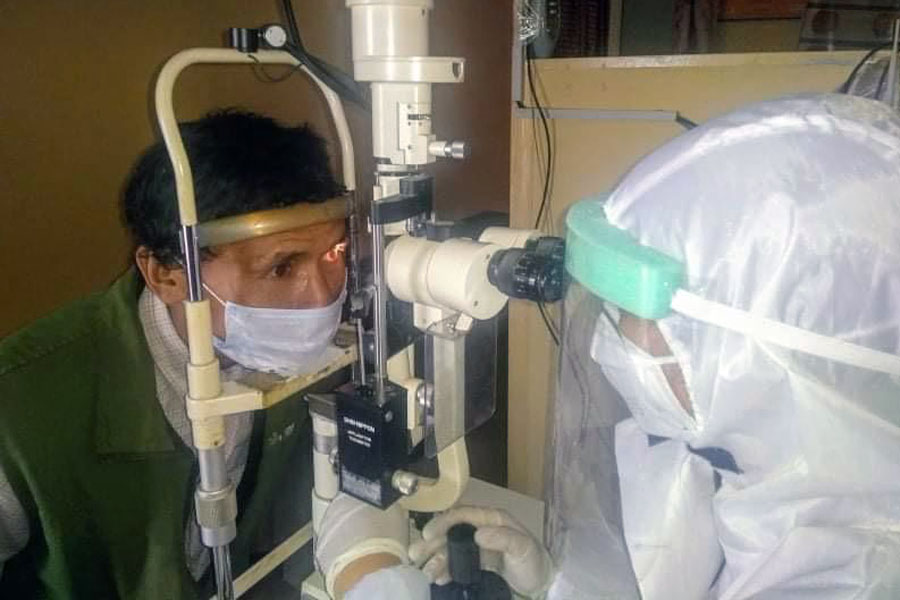
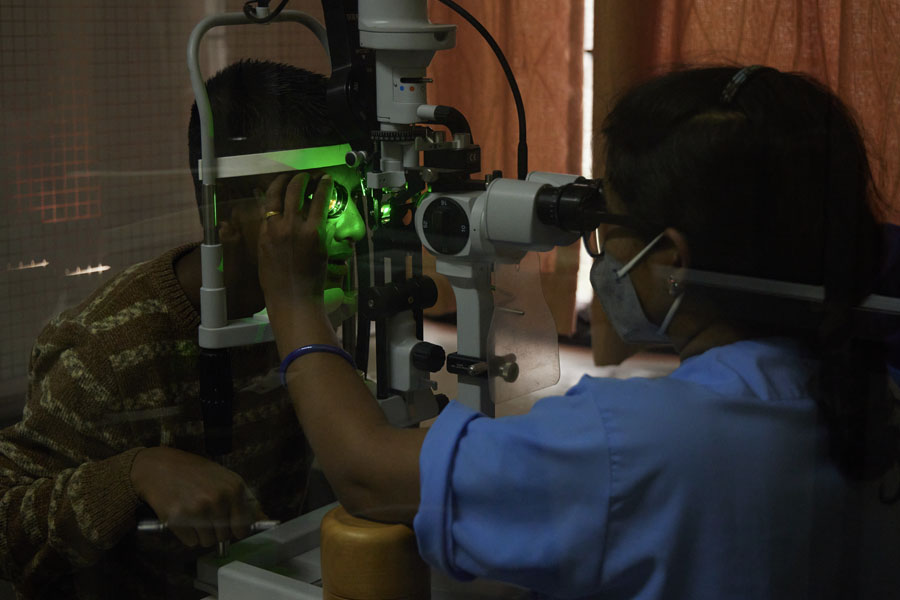
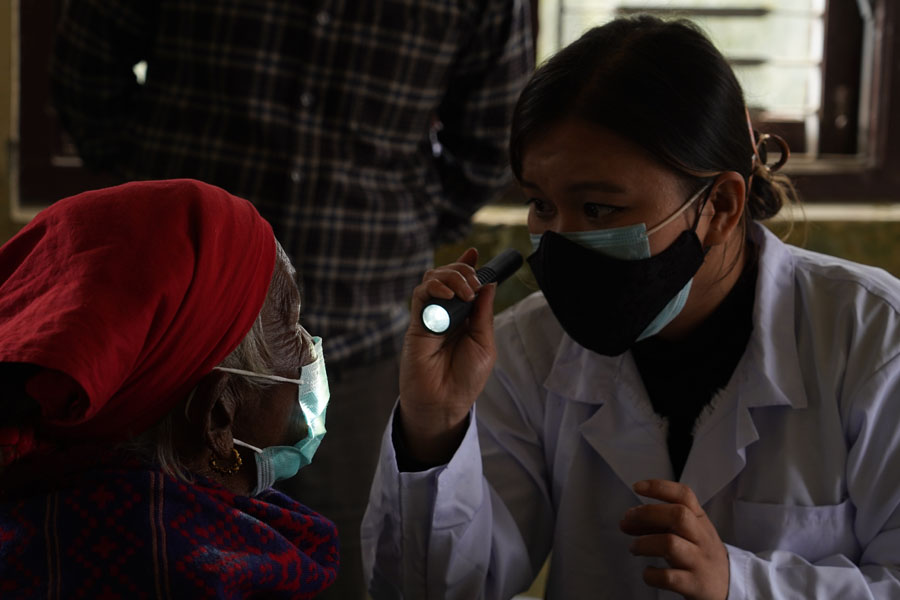
Our partner doctors perform eye-health screening for a variety of issues and provide immediate assistance where possible.
Communicating with the local residents both on the camp and the importance of eye health is an ongoing challenge.
This region of Nepal is known for its ancient temples. Services are limited for the local people.
Our partner doctors perform eye-health screening for a variety of issues and provide immediate assistance where possible.
Communicating with the local residents both on the camp and the importance of eye health is an ongoing challenge.